The Population Bomb That Never Went Off: How America's Most Terrifying Bestseller Got Everything Backwards

The Population Bomb That Never Went Off: How America's Most Terrifying Bestseller Got Everything Backwards
In 1968, Stanford biologist Paul Ehrlich published a book that scared the living daylights out of America. The Population Bomb didn't just predict doom — it scheduled it, with the confidence of a meteorologist forecasting tomorrow's weather. Mass starvation would ravage the planet by the 1970s. Hundreds of millions would die. Society would collapse under the weight of too many mouths and too little food.
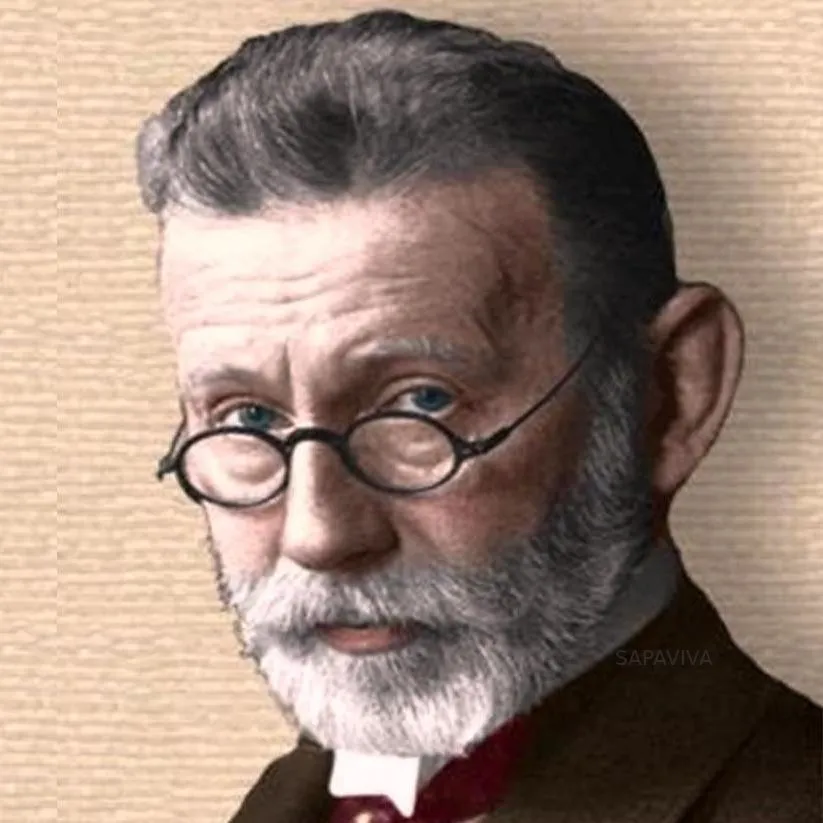 Photo: Paul Ehrlich, via www.sapaviva.com
Spoiler alert: None of this happened. But boy, did people believe it would.
When Doom Came With a PhD
Ehrlich's thesis was elegantly simple and terrifyingly logical. Human population was growing exponentially. Food production wasn't. Do the math, and you get what he called "the population bomb" — a demographic explosion that would detonate sometime around Tuesday afternoon, 1975.
The book opened with perhaps the most confident wrong prediction in publishing history: "The battle to feed all of humanity is over. In the 1970s hundreds of millions of people will starve to death in spite of any crash programs embarked upon now."
Not "might starve." Not "could face food shortages." Will starve. Hundreds of millions. Case closed, book it, start planning the memorial services.
America ate it up like it was the last meal before the apocalypse. The Population Bomb became a bestseller faster than you could say "Malthusian catastrophe." Johnny Carson had Ehrlich on The Tonight Show — multiple times — where the good professor explained to Middle America exactly how screwed they all were.
Washington Gets the Memo
When a Stanford professor tells you the world is ending, Washington listens. And when Washington listens, things get weird fast.
The Nixon administration, not exactly known for its environmental consciousness, suddenly discovered a passion for population control. The State Department started pushing birth control programs overseas with the enthusiasm of a missionary selling salvation. Congress held hearings. Bureaucrats drafted reports. The machinery of government cranked into action to solve the population crisis.
Some of the proposed solutions veered into territory that would make a comic book villain blush. Ehrlich himself suggested adding sterilants to drinking water (don't worry, antidotes would be available for approved pregnancies). Other experts floated ideas about licensing parenthood, mandatory sterilization after two children, and tax penalties for large families.
Luckily for democracy and basic human dignity, most of these schemes never made it past the brainstorming phase. But the fact that serious people in serious rooms seriously discussed them tells you everything about how thoroughly Ehrlich's predictions had penetrated the American establishment.
The Inconvenient Truth About Human Ingenuity
While policymakers debated sterilizing the water supply, something funny happened: farmers kept farming, scientists kept sciencing, and humanity kept doing that annoying thing where it solves problems.
The Green Revolution — which Ehrlich had dismissed as a temporary Band-Aid — transformed agriculture across the globe. New wheat and rice varieties doubled and tripled yields. Fertilizers, pesticides, and improved irrigation turned marginal farmland into breadbaskets. Norman Borlaug, the agronomist who led much of this work, would later win the Nobel Peace Prize for literally feeding the world.
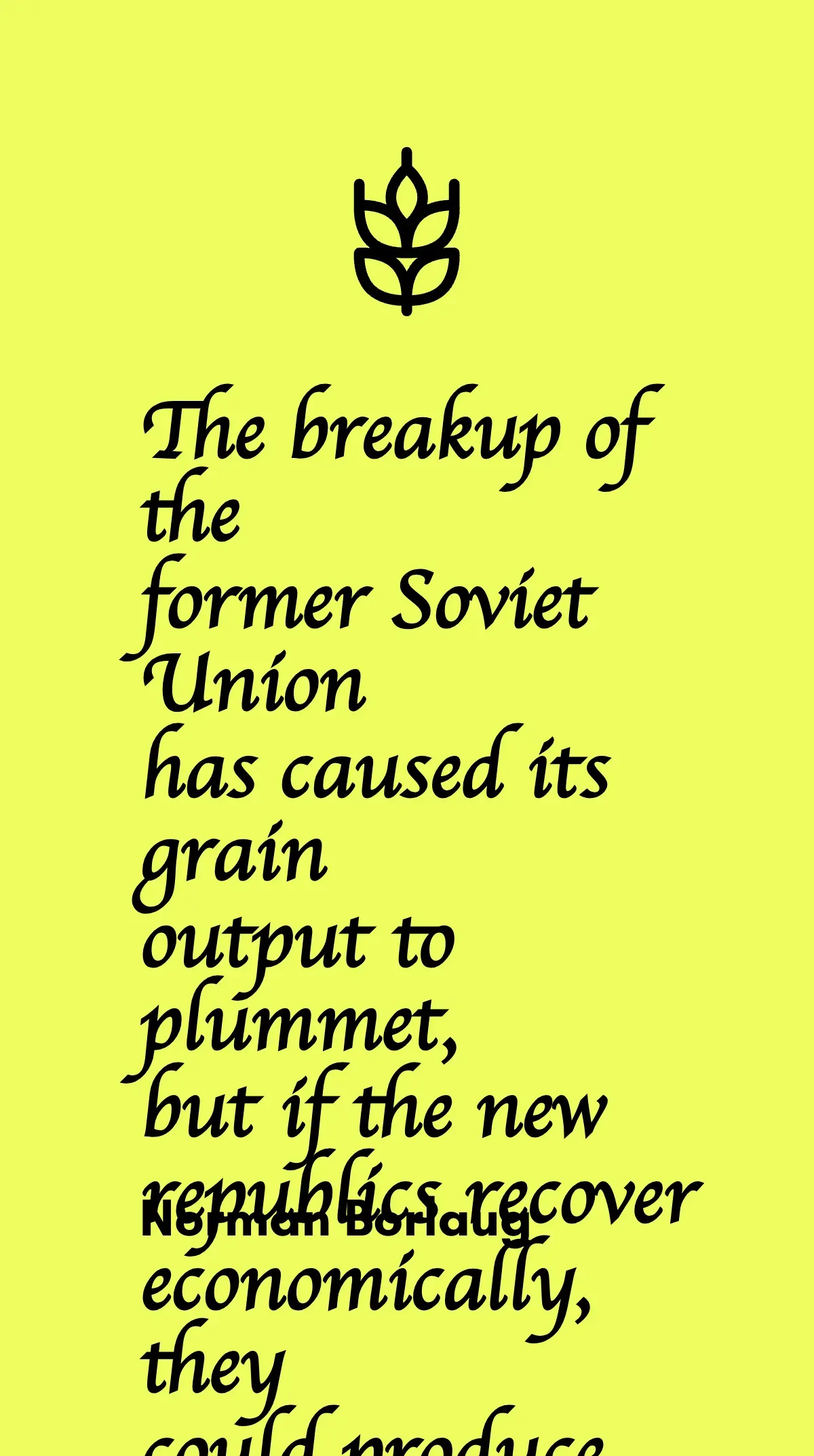 Photo: Norman Borlaug, via images.template.net
Meanwhile, birth rates in developed countries started plummeting without anyone adding mystery chemicals to the tap water. Turns out, when people get richer and more educated, they voluntarily have fewer children. Who could have predicted that prosperity might solve the population problem better than forced sterilization?
The Prophet Doubles Down
Faced with the embarrassing reality that his predictions had failed to materialize, Ehrlich could have gracefully admitted error and moved on. Instead, he doubled down with the determination of a gambler chasing losses.
In the 1980s, he made a famous bet with economist Julian Simon about commodity prices. Ehrlich predicted that resource scarcity would drive prices higher; Simon bet they'd fall as human ingenuity found new solutions. When the bet came due in 1990, all five commodities Ehrlich had chosen were cheaper than they'd been a decade earlier.
 Photo: Julian Simon, via static.wikia.nocookie.net
Did this humble the prophet of doom? Not even slightly. Ehrlich paid up and immediately challenged Simon to a new bet with different terms. When you've built a career on predicting catastrophe, admitting you were wrong is basically professional suicide.
The Eternal Appetite for Apocalypse
The most remarkable thing about The Population Bomb isn't that it got everything wrong — predictions fail all the time. It's that America was so eager to believe it. Maybe there's something in the national character that finds impending doom more compelling than gradual progress. Disaster sells books; incremental improvement doesn't.
Ehrlich tapped into a deep vein of anxiety about technology, growth, and humanity's place in the natural order. His message resonated because it felt true, even when the facts suggested otherwise. Sometimes the best stories are the ones that confirm our worst fears about ourselves.
The Never-Ending Story
Today, with global population growth slowing and agricultural productivity still climbing, Ehrlich's specific predictions look quaint. But the man himself? Still out there, still predicting catastrophe, still getting invited to conferences and television shows.
It's almost admirable, in a way. Most fortune tellers would have found a new line of work after missing the mark so spectacularly. But Ehrlich has turned wrongness into an art form, a decades-long performance piece about the resilience of human certainty in the face of contradictory evidence.
The population bomb never went off. Instead, humanity just kept doing what it does best: muddling through, solving problems, and proving the experts wrong. Again.