The Brainiacs Who Declared Grocery Shopping Was Too Stupid to Survive

If you've ever wandered through a Whole Foods at midnight, marveling at the sheer variety of artisanal pickles available for purchase, spare a thought for the mid-century intellectuals who were absolutely convinced this moment would never come to pass. According to the urban planners, sociologists, and futurists of the 1950s and 60s, the American supermarket was nothing more than an inefficient relic destined for the dustbin of history.
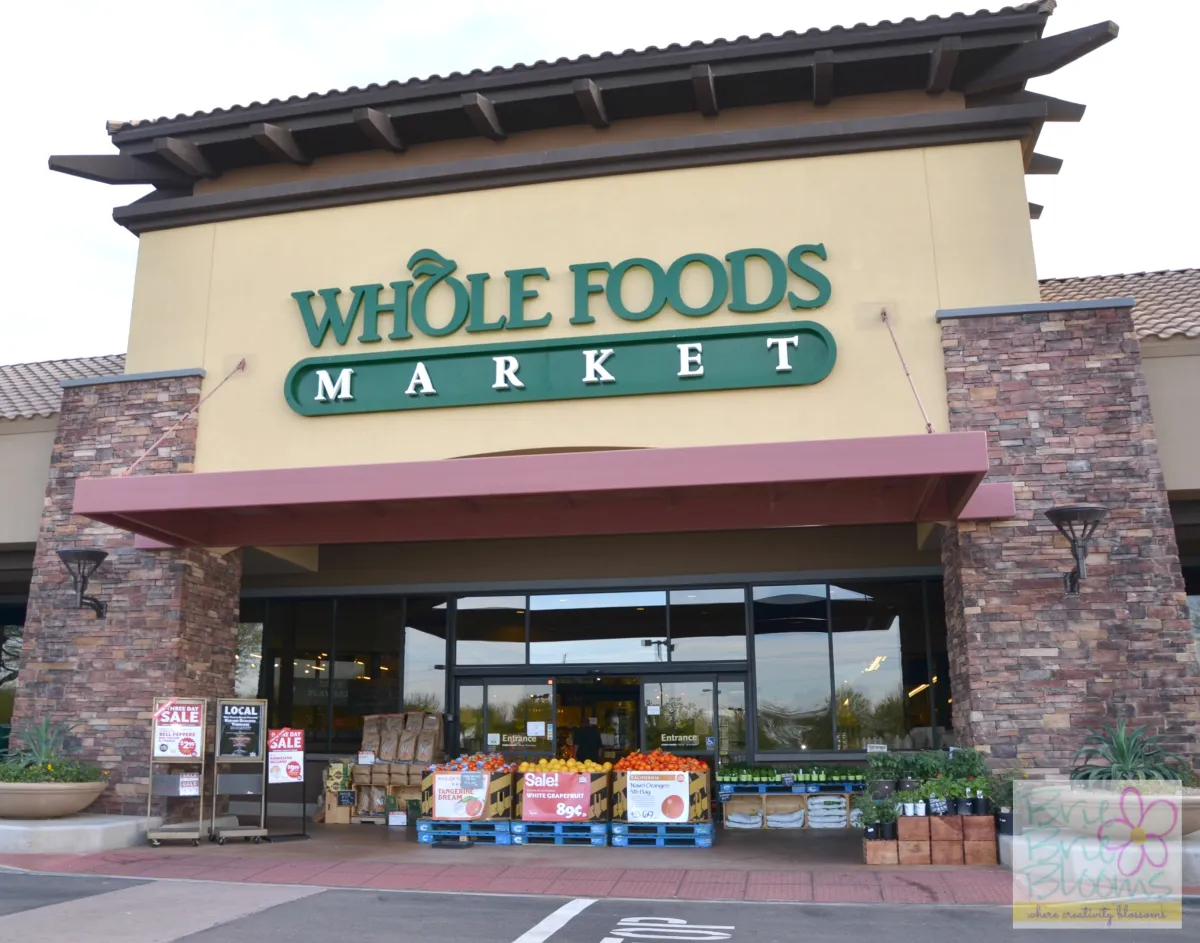 Photo: Whole Foods, via briebrieblooms.com
They had it all figured out: Americans would obviously prefer government nutrition centers, neighborhood food dispensaries, and communal kitchens over the chaos of individual grocery shopping. Because nothing says "freedom" like having a bureaucrat decide what you're having for dinner.
The Efficiency Experts Who Missed the Point Entirely
The post-war planning establishment looked at the emerging supermarket model and saw nothing but waste and inefficiency. Why should individual families spend time shopping for food when trained professionals could handle nutrition distribution for entire communities? It was so obviously logical that they couldn't imagine anyone disagreeing.
Sociologist Daniel Bell confidently predicted that Americans would embrace "rationalized food distribution systems" by the 1970s. Urban planner Victor Gruen, the man who basically invented the shopping mall, somehow convinced himself that food shopping would be the one retail experience Americans would gladly surrender to experts.
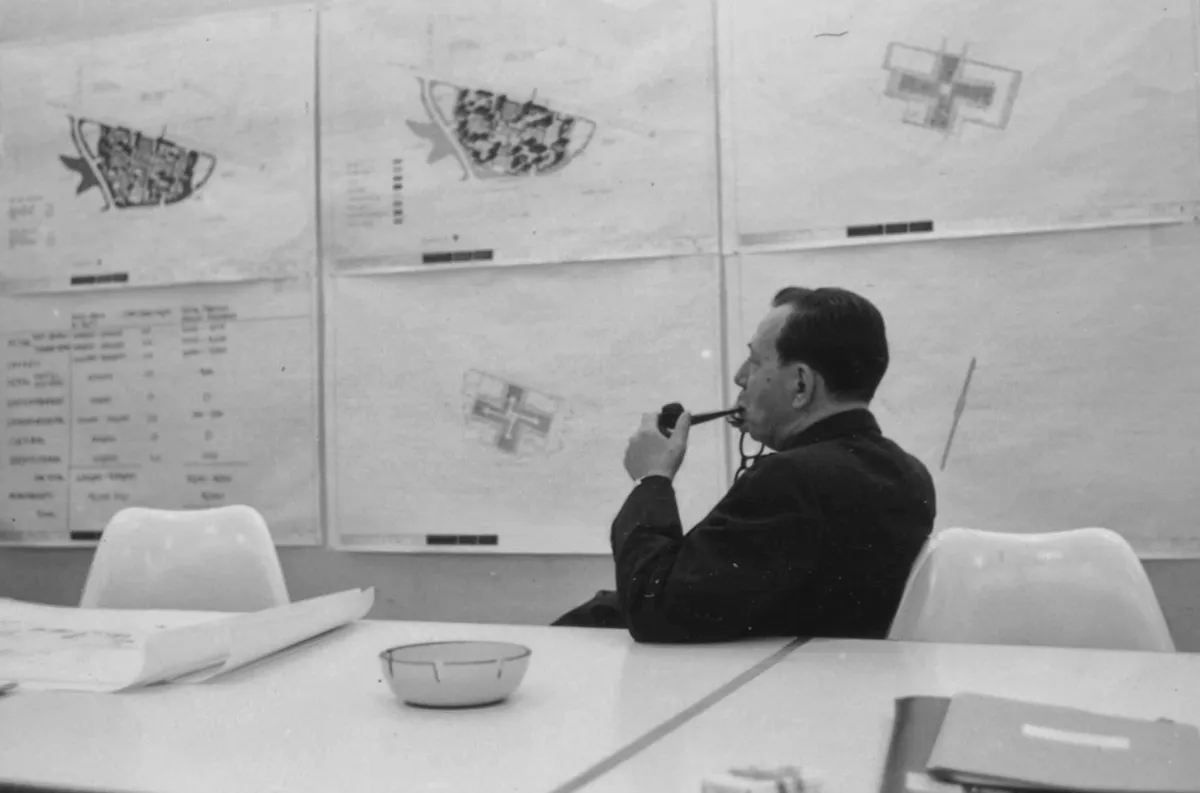 Photo: Victor Gruen, via sajo.com
The RAND Corporation, never one to miss an opportunity to apply military logistics to civilian life, published studies showing how neighborhood food dispensaries could deliver optimal nutrition to American families with maximum efficiency. They had charts. They had graphs. They had everything except an understanding of why Americans might actually enjoy choosing their own breakfast cereal.
When Communal Living Met American Individualism
The communal kitchen movement was particularly confident in its inevitable triumph over the traditional American kitchen. Domestic scientists and social reformers argued that preparing individual meals in separate homes was an antiquated waste of resources that would naturally give way to shared cooking facilities.
Margaret Mead, the anthropologist who somehow became America's unofficial expert on everything, declared that the nuclear family kitchen was "doomed" by modern efficiency demands. Buckminster Fuller, the geodesic dome enthusiast, designed entire communities around the assumption that Americans would happily eat all their meals in common dining halls.
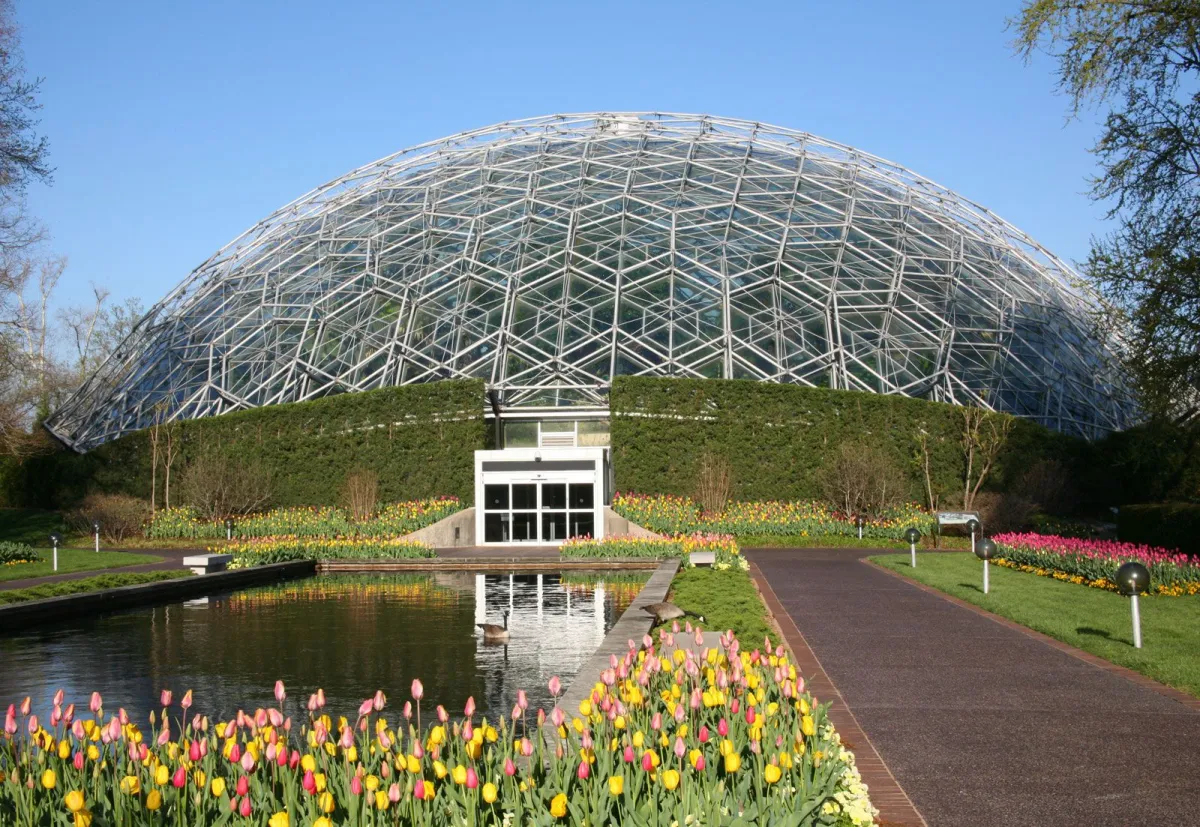 Photo: Buckminster Fuller, via cdn.britannica.com
The feminist movement of the era initially embraced these predictions, seeing communal food preparation as liberation from domestic drudgery. Betty Friedan suggested that shared kitchens would free women from the "problem that has no name"—which apparently included the problem of wanting to buy your own groceries.
The Government Nutrition Utopia That Never Was
Perhaps the most audacious prediction came from the social planners who envisioned government-run nutrition centers replacing the chaotic free market in food. These weren't food banks or welfare programs—these were comprehensive systems designed to serve the entire population.
The Department of Agriculture briefly entertained studies on "optimal nutrition delivery systems" that would eliminate the inefficiency of individual food choice. Citizens would receive scientifically calibrated meal packages based on their demographic profile, age, and health status. No more wandering grocery aisles wondering what to make for dinner—the experts would handle everything.
Urban renewal advocate Robert Moses actually proposed incorporating centralized food distribution into his highway and housing projects. Residents of his planned communities would receive their weekly nutrition allotments from efficient distribution centers, freeing up valuable real estate currently wasted on grocery stores.
The Inconvenient Truth About American Shopping Habits
What these brilliant minds consistently failed to grasp was that Americans didn't see grocery shopping as a problem to be solved—they saw it as a freedom to be celebrated. The ability to choose between thirty-seven varieties of breakfast cereal wasn't inefficiency; it was the American dream in edible form.
The supermarket became the ultimate expression of post-war abundance and individual choice. Walking through those fluorescent-lit aisles, past towers of canned goods and freezers full of TV dinners, was a weekly reminder that scarcity was for other countries and other decades.
Even the inconveniences that the planners wanted to eliminate—the time spent shopping, the decisions about what to buy, the occasional impulse purchase of cookies you didn't really need—turned out to be features, not bugs. Americans genuinely enjoyed the ritual of grocery shopping, the sense of control over their family's nutrition, and the simple pleasure of browsing.
When Efficiency Lost to Entertainment
The fatal flaw in all these predictions was the assumption that Americans valued efficiency above all else. The planners looked at grocery shopping and saw wasted time and duplicated effort. Americans looked at grocery shopping and saw entertainment, autonomy, and the right to make questionable decisions about ice cream flavors.
The rise of specialty grocery stores in the following decades proved just how wrong the efficiency experts had been. Instead of consolidating food distribution into rational, centralized systems, Americans enthusiastically embraced an explosion of choice. Whole Foods, Trader Joe's, and countless local markets succeeded precisely because they offered more options, not fewer.
The Supermarket's Revenge
Today, the American supermarket has evolved into something the mid-century planners never could have imagined: a 24-hour temple to consumer choice that sells everything from organic kale to birthday cakes shaped like dinosaurs. The "inefficient" model they predicted would disappear has instead become a global export, with American-style supermarkets spreading across the world.
The government nutrition centers never materialized. The communal kitchens remained largely confined to college dormitories and retirement communities. The neighborhood food dispensaries exist mainly in the form of food trucks, which somehow managed to make food distribution even less efficient than traditional grocery stores—and Americans love them for it.
The next time you're standing in the cereal aisle, overwhelmed by the sheer number of breakfast options available to you, remember the planners who thought this choice was too chaotic to survive. They tried to save us from the burden of deciding what to eat. Instead, we turned that burden into a billion-dollar industry and called it freedom.
Turns out Americans would rather spend an hour debating pasta sauce varieties than five minutes accepting whatever the experts decided was nutritionally optimal. Democracy in action, one shopping cart at a time.