America's Moral Reformers Promised Prohibition Would Create Utopia Instead of Al Capone
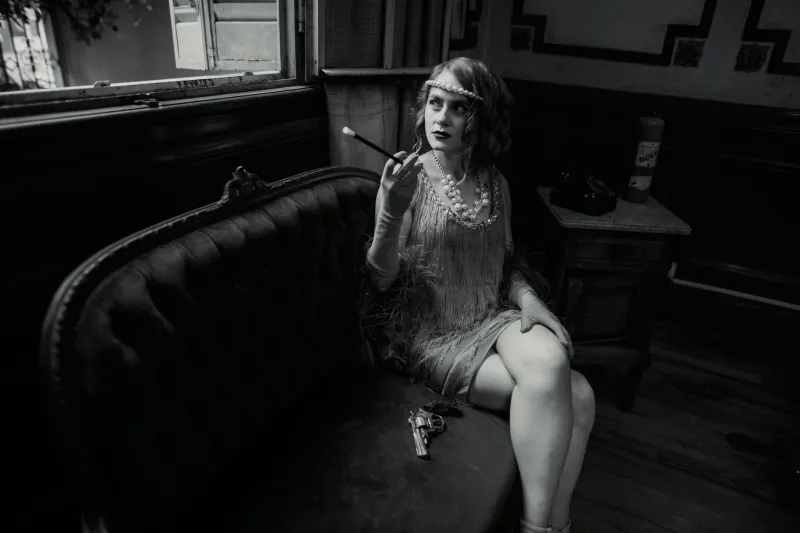
America's Moral Reformers Promised Prohibition Would Create Utopia Instead of Al Capone
In 1919, America's moral crusaders weren't just banning booze — they were engineering paradise. The Women's Christian Temperance Union had charts showing how dry laws would empty the prisons. The Anti-Saloon League published studies proving that alcohol prohibition would boost factory productivity by 25%. Religious leaders preached that banning the bottle would save marriages, protect children, and basically turn the entire United States into one big, sober church picnic.
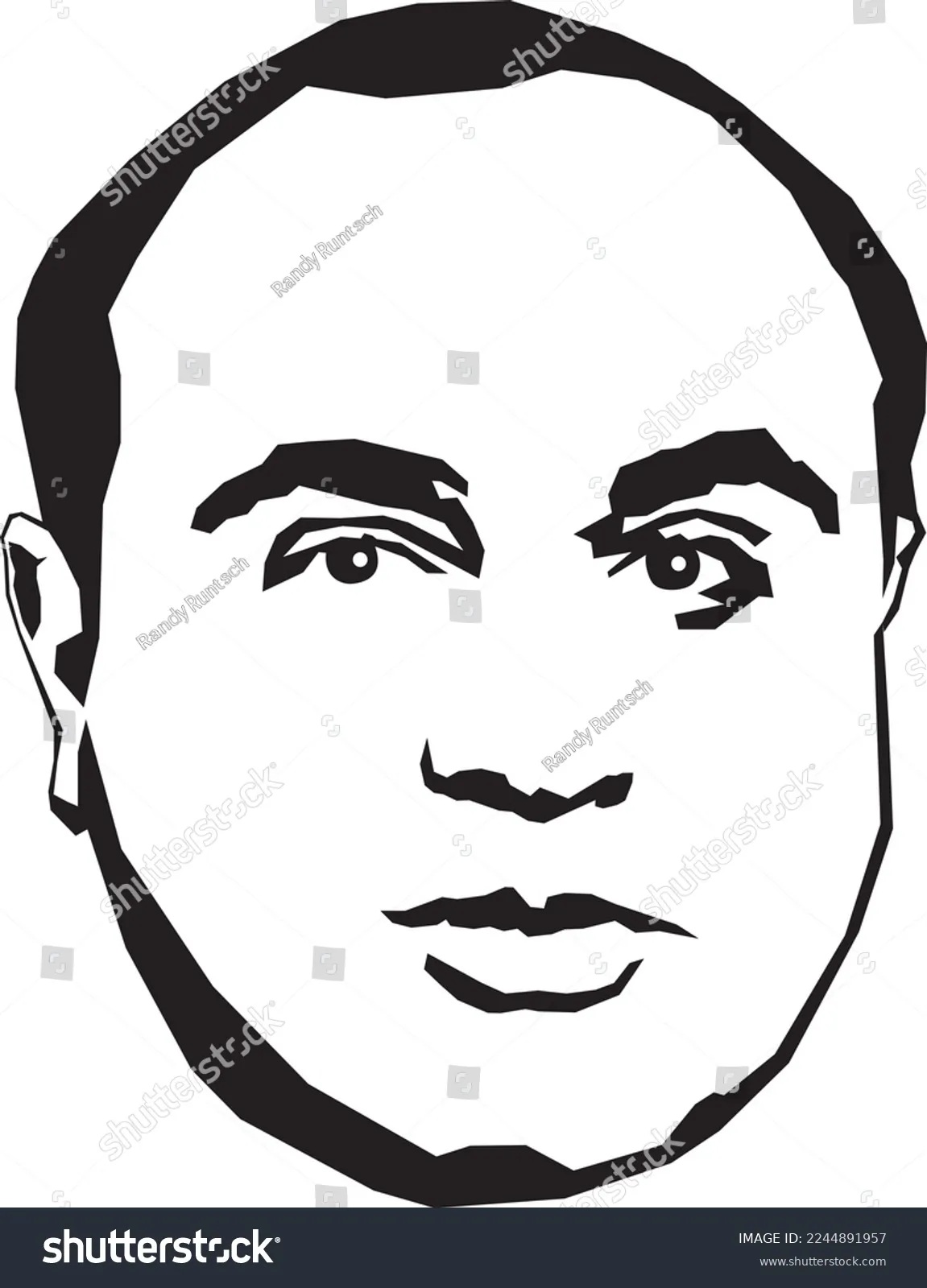 Photo: Al Capone, via www.shutterstock.com
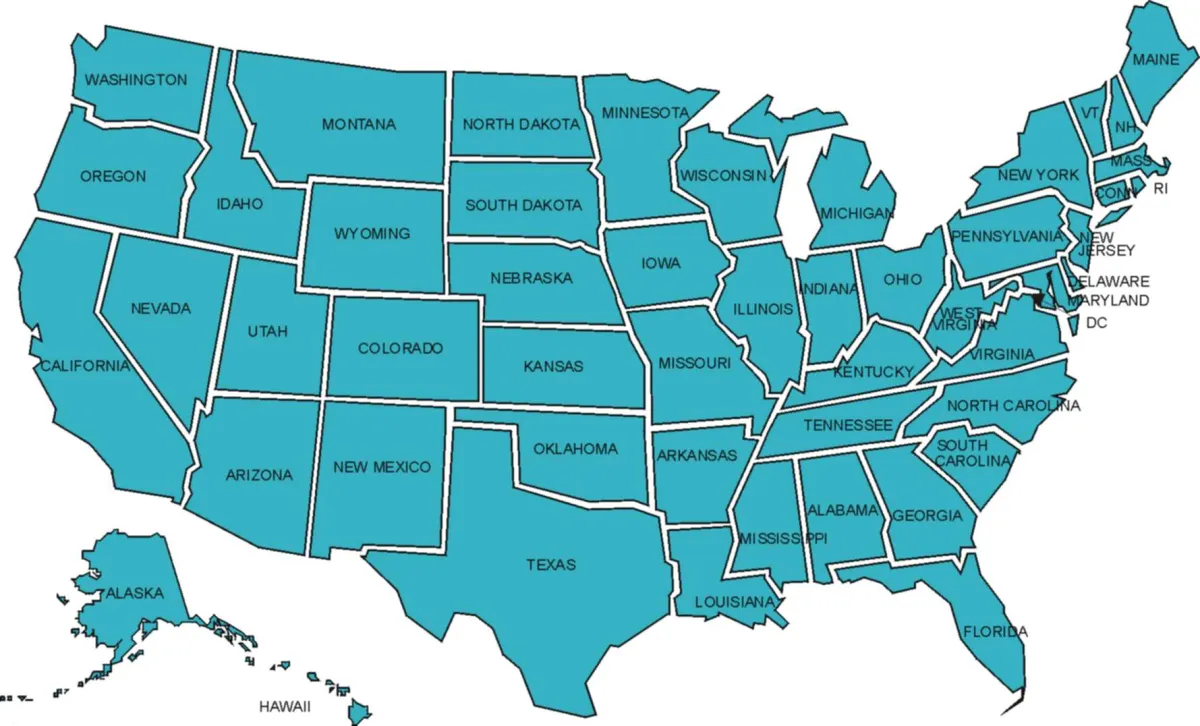 Photo: United States, via www.mappery.com
Thirteen years later, America was awash in bootleggers, speakeasies, and machine-gun-wielding gangsters who made the old saloon fights look like genteel disagreements over checkers.
The Great American Sobriety Experiment
The temperance movement didn't stumble into Prohibition — they marched toward it with the confidence of people who had done the math and knew exactly what would happen next. Their predictions weren't modest suggestions; they were comprehensive blueprints for social transformation.
Wayne Wheeler of the Anti-Saloon League promised that dry laws would reduce crime by 50% within five years. The WCTU published pamphlets explaining how prohibition would eliminate domestic violence, increase church attendance, and boost children's educational achievement. Even economists got in on the action, calculating how much money Americans would save by not buying liquor and how they'd spend it on wholesome goods like furniture and books.
The reformers had statistics, studies, and an unshakeable faith that removing alcohol from American life would unleash the nation's moral potential. They looked at saloons and saw the root of all social problems. Remove the root, fix the problems. Simple.
When Moral Mathematics Met Reality
January 16, 1920 — the day Prohibition began — was supposed to mark America's transformation from a nation of drunkards to a society of productive, virtuous citizens. Instead, it marked the beginning of one of the most spectacular policy failures in American history.
Within months, illegal distilleries were operating in every major city. Speakeasies outnumbered the old legal saloons. Americans who had never thought much about drinking suddenly developed a passionate interest in bathtub gin and basement breweries.
The crime reduction that Wheeler had promised? Crime rates actually increased, driven by the massive black market that prohibition created overnight. Instead of eliminating criminal enterprises, dry laws created the most profitable criminal enterprise in American history.
The Gangster Dividend
Here's what the temperance prophets definitely didn't predict: that banning alcohol would create a criminal empire so lucrative and powerful that gangsters like Al Capone would become household names. The same moral crusaders who promised to empty the prisons inadvertently created a crime wave that required building more of them.
Capone's Chicago operation alone was pulling in an estimated $60 million annually by 1927 — roughly $800 million in today's money. The Anti-Saloon League had calculated that Americans spent about $2 billion yearly on alcohol before Prohibition. After Prohibition, they were still spending the money; it was just going to organized crime instead of legitimate businesses.
The temperance movement had essentially created the most efficient wealth transfer program in American history, moving billions of dollars from legal businesses to illegal ones.
The Unintended Consequences Hall of Fame
Prohibition delivered almost the exact opposite of every major prediction the dry crusaders had made. Instead of reducing alcohol consumption, it changed drinking patterns in ways that horrified the reformers. Beer consumption dropped, but consumption of hard liquor — which was easier to smuggle and hide — actually increased.
Instead of protecting women and children, prohibition created a culture where drinking moved from regulated saloons into private homes and illegal clubs where there were no rules about who could drink or how much.
Instead of improving public health, prohibition created a public health crisis. Without quality control, bootleg alcohol was frequently poisonous. The government's own industrial alcohol poisoning program killed an estimated 10,000 Americans during the dry years.
The Moral Reformers' Scorecard
By 1932, even the most dedicated dry crusaders were quietly admitting that their great experiment hadn't quite worked out as planned. The country they had promised to purify was dealing with the highest crime rates in its history, a massive federal law enforcement crisis, and the awkward fact that alcohol was more widely available than ever — it was just illegal.
The Women's Christian Temperance Union, which had confidently predicted the end of domestic violence, watched domestic violence rates climb. The Anti-Saloon League, which had promised economic prosperity, watched the black market economy dwarf the legitimate alcohol industry they had destroyed.
The Craft Beer Epilogue
Here's the ultimate irony: modern America has achieved something much closer to the temperance movement's actual goals than Prohibition ever did, but through the exact opposite approach. Today's craft beer culture emphasizes quality over quantity, moderation over excess, and local production over mass-market consumption.
Americans now have access to more varieties of beer than existed in the entire pre-Prohibition era, but overall alcohol consumption per capita is lower than it was in 1920. The country achieved responsible drinking through choice and education rather than prohibition and enforcement.
The moral reformers who promised that banning alcohol would create a better America were wrong about the method, but they weren't entirely wrong about the goal. They just underestimated how much Americans dislike being told what they can and cannot drink — and overestimated how much Americans dislike organized crime.
Turns out the road to hell really is paved with good intentions. And bathtub gin.