Wall Street's Doomsday Clock Has Been Stuck at Midnight Since Eisenhower
Wall Street's Doomsday Clock Has Been Stuck at Midnight Since Eisenhower
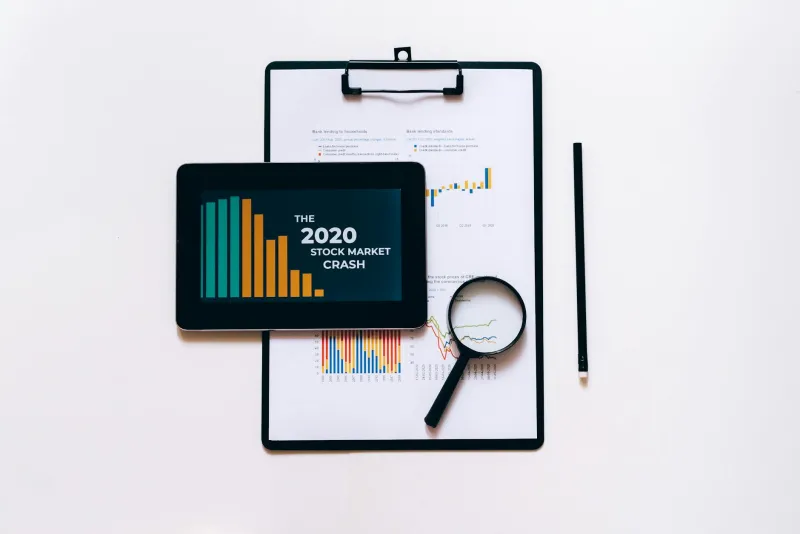
If you've been waiting for the definitive, civilization-ending stock market crash that financial experts have been promising since roughly the invention of the transistor radio, you might want to find a comfortable chair. Because Wall Street's professional doom merchants have been crying wolf with such consistency and fervor that they've turned market apocalypse predictions into their own cottage industry.
Every year—and we mean every single year—some combination of analysts, economists, and self-appointed financial prophets has stepped forward to declare that this time, for real, the American stock market is about to collapse into a smoking crater of economic despair. And every year, the market has responded by doing exactly what it wants, which is apparently to confound experts and make their predictions look like expensive fortune cookie advice.
The Crash That's Always Coming Tomorrow
The modern tradition of perpetual market doom-saying really hit its stride in the 1950s, when America's newfound prosperity convinced a generation of financial intellectuals that such good times simply couldn't last. They were right, of course—good times never last forever. They just last a lot longer than anyone expected, and the bad times tend to be shorter and less apocalyptic than the predictions suggested.
Take Harry Schultz, the newsletter writer who spent the better part of four decades warning subscribers about the imminent collapse of the American financial system. From the Eisenhower administration through the Clinton years, Schultz's predictions read like a greatest hits collection of economic anxiety: currency collapse, hyperinflation, government bankruptcy, and market crashes that would make 1929 look like a mild hiccup.
 Photo: Harry Schultz, via static.wikia.nocookie.net
The remarkable thing wasn't that Schultz was consistently wrong—lots of people are wrong about the stock market. The remarkable thing was that being consistently wrong about the stock market turned out to be a surprisingly lucrative career path.
The Prophets of Profitable Pessimism
By the 1970s, market pessimism had become its own publishing genre. Books with titles like "The Coming Crash" and "How to Survive the Economic Collapse" became bestsellers, written by authors who had discovered that Americans would pay good money to be told that financial disaster was just around the corner.
Eliot Janeway built an entire media empire around predicting economic catastrophe. For decades, he appeared on television and radio shows, wrote newspaper columns, and published newsletters, all devoted to explaining why the American economy was about to implode. He was so consistently wrong about timing that he became a kind of reverse oracle—if Janeway predicted a crash next year, investors could safely assume they had at least two years of bull market ahead of them.
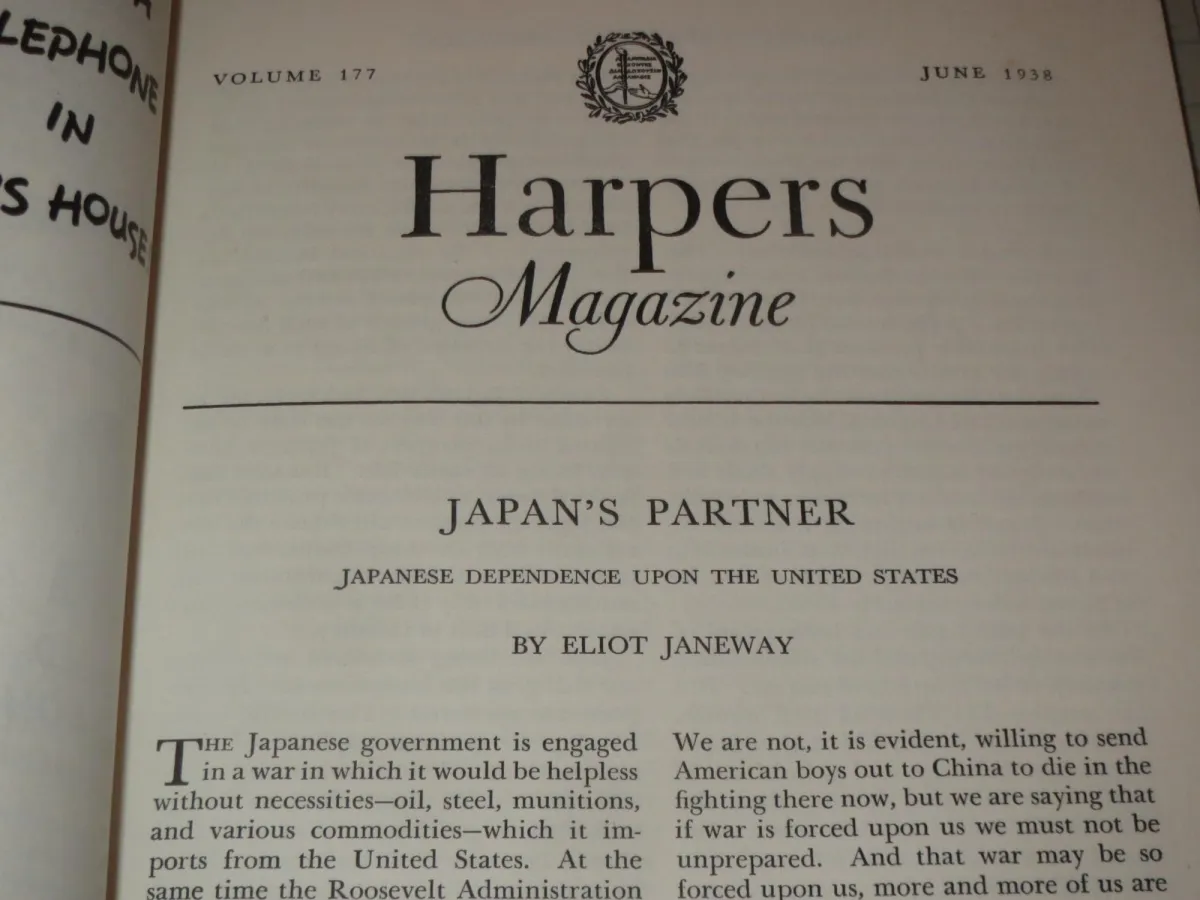 Photo: Eliot Janeway, via pictures.abebooks.com
The inflation scares of the 1970s gave the doom prophets fresh material. Suddenly, it wasn't just market crashes they were predicting—it was the complete collapse of the dollar, wheelbarrows full of worthless currency, and a return to the barter system. Howard Ruff's "How to Prosper During the Coming Bad Years" sold millions of copies by promising readers that economic Armageddon was not just coming, but overdue.
The Computers That Cried Wolf
The 1980s brought a new wrinkle to market doom-saying: computer models that could predict crashes with mathematical precision. Suddenly, it wasn't just gut feelings and economic theory driving the predictions—it was science. Cold, hard, algorithmic science that proved beyond doubt that the market was about to collapse.
Robert Prechter became the poster child for computerized market pessimism, using Elliott Wave theory to predict that the Dow Jones would crash from its 1987 levels back down to Depression-era numbers. His predictions were so detailed and scientific-sounding that they attracted a devoted following of investors who spent the 1990s waiting for a crash that would vindicate their decision to sit out the greatest bull market in American history.
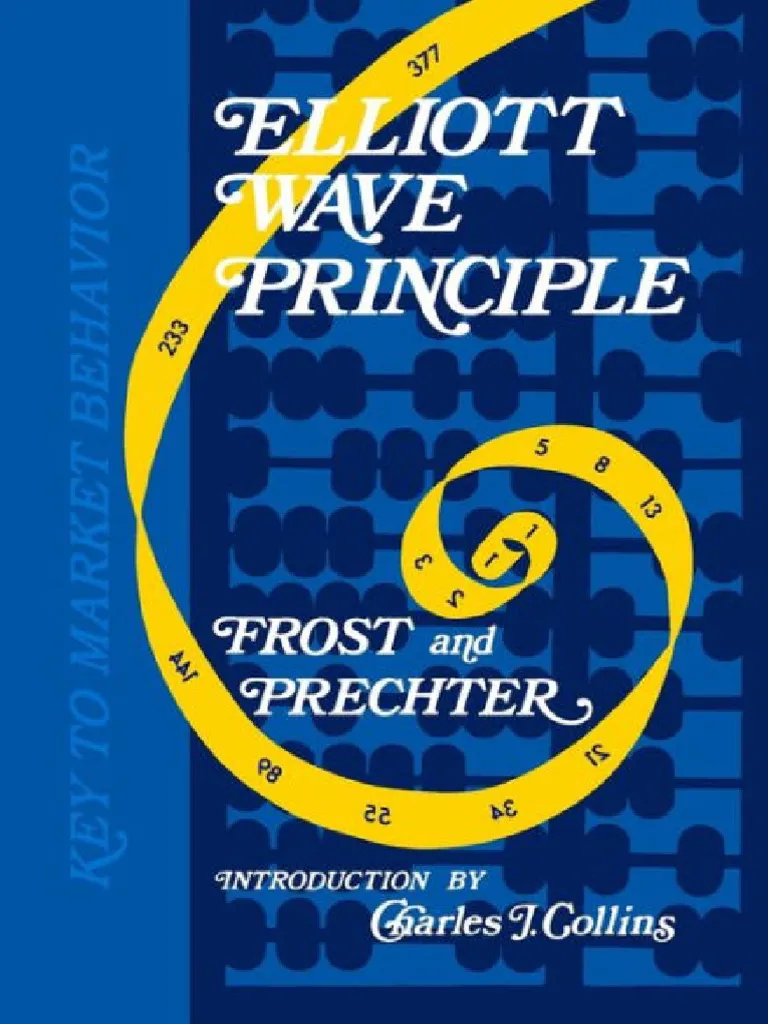 Photo: Robert Prechter, via imgv2-2-f.scribdassets.com
The irony was delicious: the more sophisticated the prediction methods became, the more spectacularly wrong they tended to be. Simple economic models suggested the market might go down. Complex computer models proved it absolutely had to go down. Reality, meanwhile, kept suggesting that maybe the models were missing something important.
Y2K and the Millennium Bug That Wasn't
The approach of the year 2000 gave market pessimists their most promising doomsday scenario yet: a computer glitch that would literally break civilization. Y2K wasn't just going to crash the stock market—it was going to crash everything. Banks, power grids, air traffic control systems, and presumably the entire concept of modern finance would collapse when computers forgot how to count past 1999.
The predictions were breathtaking in their scope. Financial newsletters warned readers to stockpile food, water, and gold coins. Investment advisors recommended converting portfolios to cash and hiding it under mattresses. Some experts suggested that the stock market might not reopen after January 1, 2000, because the computers that ran it would be too confused to function.
January 1, 2000, came and went with all the apocalyptic drama of a particularly quiet Tuesday. The stock market opened on schedule, computers continued computing, and the only thing that crashed was the credibility of the Y2K prophets. But not to worry—they were already working on their next set of predictions.
The Bubble That Wouldn't Pop (Until It Did)
The dot-com boom of the late 1990s gave market pessimists fresh ammunition. Here, finally, was obvious proof that the market had lost touch with reality. Companies with no profits and no business plans were worth billions of dollars. Surely this was the bubble that would end all bubbles.
The pessimists were right about the bubble, of course. They were just wrong about what would happen when it popped. Instead of the civilization-ending crash they predicted, the dot-com collapse turned out to be more like a market correction with a dramatic flair for publicity. Painful for investors, certainly, but hardly the end of capitalism as we know it.
The housing bubble and financial crisis of 2008 provided another moment of vindication for the doom prophets—except that most of them had been predicting the same crash every year since 1995, which made their accuracy feel more like a stopped clock being right twice a day than genuine prescience.
The Eternal Recession That Never Quite Arrives
Today's market pessimists continue the proud tradition of their predecessors, armed with new data, new models, and the same unshakeable conviction that this time is different. They point to government debt levels, demographic trends, technological disruption, and global trade imbalances as proof that the long-overdue market collapse is finally, definitely, absolutely about to happen.
And maybe they're right. Maybe the crash is coming tomorrow, or next month, or next year. The thing about market predictions is that if you make the same prediction long enough, eventually you'll be right. The trick is surviving all the years when you're wrong.
The real lesson of Wall Street's seven-decade streak of failed apocalypse predictions isn't that crashes never happen—they do, with depressing regularity. The lesson is that timing the market is harder than it looks, predicting the future is mostly guesswork dressed up as analysis, and Americans have an apparently inexhaustible appetite for being told that financial disaster is just around the corner.
So the next time someone tries to sell you a newsletter explaining why the stock market is definitely going to crash next Tuesday, remember the prophets who came before. They've been making the same prediction since Eisenhower was president, and the market is still here, still confounding experts, still doing whatever it wants.
Some traditions never change.