When America's Rocket Scientists Penciled in Moon Cities for 1980
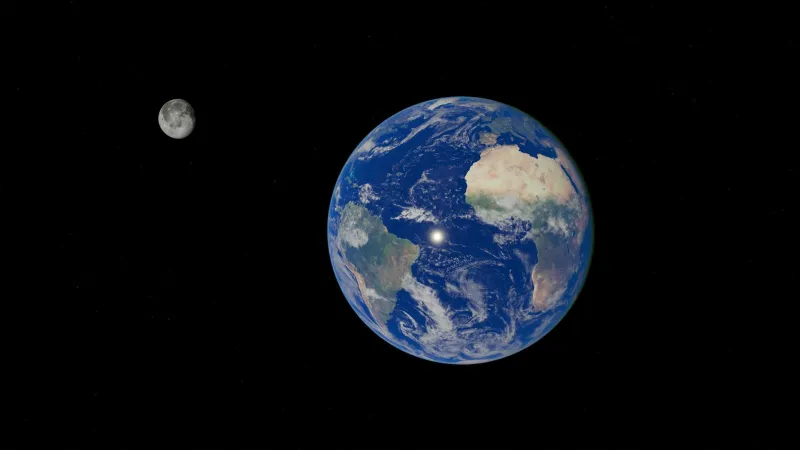
In 1969, as Neil Armstrong took his giant leap for mankind, the smartest people in America were already designing the gift shop. NASA engineers had detailed plans for lunar hotels. Aerospace executives were sketching moon-based manufacturing plants. Popular Science magazine was practically selling vacation packages to Mare Tranquillitatis.
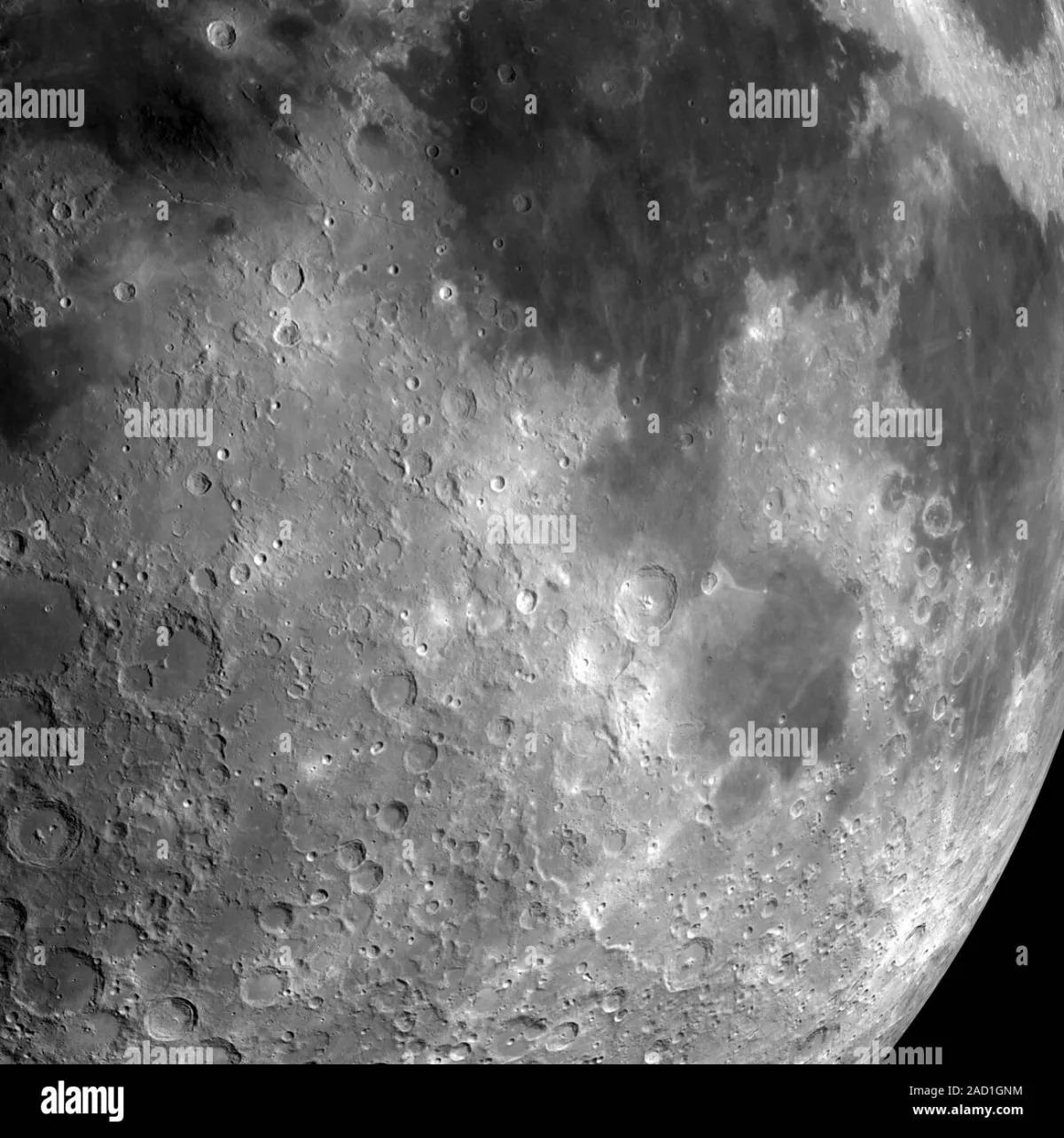 Photo: Mare Tranquillitatis, via c8.alamy.com
The question wasn't whether Americans would colonize the moon — it was whether we'd need zoning laws for the Sea of Serenity by 1975.
The Golden Age of Cosmic Real Estate
The late 1960s marked peak space optimism, when serious people with advanced degrees and security clearances genuinely believed that lunar colonization was about as challenging as building another suburb outside Phoenix. NASA's post-Apollo planning documents read like a Chamber of Commerce brochure for humanity's next frontier.
Werner von Braun, the rocket engineer who got America to the moon, confidently predicted permanent lunar bases by 1980. His timeline included underground cities, mining operations, and eventually a springboard to Mars. The man who invented the Saturn V rocket apparently thought the hard part was over.
 Photo: Saturn V, via scitechdaily.com
 Photo: Werner von Braun, via cdn.dsmcdn.com
Meanwhile, aerospace giant Boeing was designing rotating space stations for 10,000 residents. Lockheed Martin sketched lunar mining equipment. Even hotel chains got in on the action — Hilton Hotels commissioned studies for orbital accommodations, complete with artificial gravity and room service.
When Physics Met Politics (And Lost)
The optimism wasn't entirely unfounded. America had just pulled off the most audacious engineering feat in human history, going from Sputnik to moon landing in barely a decade. If we could figure out how to navigate 240,000 miles of vacuum and land on a moving target, surely building a lunar McDonald's was just a matter of time and money.
But the forecasters made one crucial miscalculation: they assumed the political will that funded Apollo would continue indefinitely. Instead, Congress took one look at NASA's post-moon budget requests and basically said, "Thanks for the flag-planting photo op, but we're good."
By 1972, NASA's budget had been slashed from its Apollo peak. The last three planned moon missions were canceled. America went from landing on the moon to not being able to send astronauts anywhere without hitching rides on Soviet rockets — a development that would have horrified the Cold War space visionaries.
The Billionaire Space Race 2.0
Here's where the story gets interesting: those 1960s predictions are starting to look less ridiculous and more like they were just off by about fifty years.
Elon Musk's SpaceX has revived serious talk of Mars colonies. Jeff Bezos envisions millions of people living and working in space. NASA's Artemis program aims to establish a permanent lunar presence by the late 2020s — essentially the same timeline von Braun proposed, just shifted forward by half a century.
The difference is that today's space entrepreneurs have something the 1960s visionaries lacked: sustainable business models. Instead of relying on Congress to fund cosmic expansion out of patriotic fervor, companies like SpaceX are building reusable rockets that make space access dramatically cheaper.
Moon Hotels and Mars Mansions
Some of the most breathlessly optimistic 1960s predictions are circling back toward plausibility. Space tourism companies are booking orbital flights. Private firms are planning lunar missions. NASA is seriously discussing asteroid mining and Mars habitats.
The lunar hotels that Popular Science promised for 1980 might actually arrive by 2080, staffed by the great-grandchildren of the engineers who first sketched them.
Of course, there's still the minor detail that space is an incredibly hostile environment where everything is trying to kill you, from radiation to vacuum to the simple challenge of growing food in artificial soil. The 1960s visionaries were notably optimistic about solving these problems with American ingenuity and Tang.
The View from 2024
Looking back, the space colonization prophets got the timeline spectacularly wrong but the basic concept surprisingly right. They correctly predicted that humans would eventually spread beyond Earth — they just underestimated how long it would take to figure out the economics.
The moon cities of 1980 became the moon bases of 2030, which might become the moon suburbs of 2080. Sometimes being wrong is just being early with better marketing materials.
And honestly, given that we're now living in an era where billionaires regularly shoot sports cars into space for fun, maybe those 1960s rocket scientists weren't crazy after all. They were just born a few decades too soon to see their cosmic suburbs become reality.
The next time someone promises you'll be vacationing on Mars by 2040, remember: they might be wrong about the timeline, but they're probably right about the destination. Eventually.