Tinseltown's Crystal Ball Has Been Broken for a Century: A Timeline of Hollywood's Most Spectacular Audience Misfires
Hollywood executives are paid enormous salaries to predict what Americans want to watch. They attend market research presentations, analyze demographic data, and consult with armies of consultants who claim to understand the mysterious desires of the moviegoing public.
There's just one problem: they're consistently, spectacularly, almost impressively wrong.
The 1920s: When Movies Were Just a Fad
Let's start at the beginning, when film industry pioneers were busy predicting that movies themselves wouldn't last. In 1926, Warner Brothers executive Harry Warner reportedly said, "Who the hell wants to hear actors talk?" This was his response to the emerging technology of "talking pictures"—you know, the innovation that would define cinema for the next century.
Warner apparently believed that audiences would never accept actors speaking on screen. Silent films were the future, he insisted. Sound was just a gimmick that would fade away once audiences got tired of the novelty.
The Jazz Singer proved him wrong within a year, but Warner's prediction established a proud Hollywood tradition: confidently declaring that revolutionary changes in entertainment were just temporary fads.
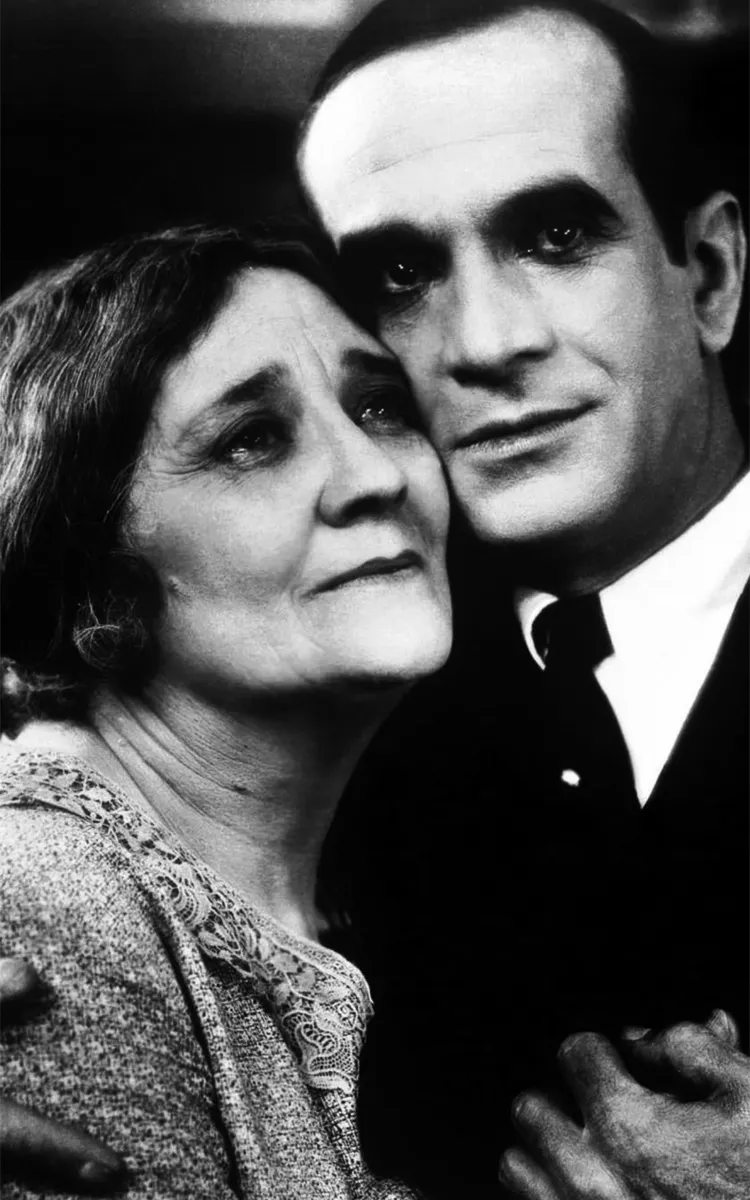 Photo: The Jazz Singer, via gonewiththetwins.com
The 1970s: Space Operas and Shark Attacks Nobody Wanted
Fast-forward to 1977, when United Artists executives made one of the most expensive mistakes in Hollywood history. They had the chance to distribute a little space adventure film but passed because, according to their market research, science fiction movies didn't make money.
The film was Star Wars. It went on to earn over $775 million worldwide and launch the most successful franchise in entertainment history.
Meanwhile, Universal Studios executives were reluctantly backing a film about a shark terrorizing a beach town. They predicted it would be a modest success at best—after all, who wanted to watch a movie that would make them afraid to go swimming?
Jaws became the first summer blockbuster and changed Hollywood forever. But the executives who greenlit it spent most of production convinced they were backing a flop.
The 1980s: When Executives Declared War on Fun
The 1980s brought a new level of confident wrongness from Hollywood suits. NBC executives famously passed on The Cosby Show because, according to their research, American audiences weren't interested in shows about upper-middle-class African American families.
The Cosby Show became the number-one rated television program for five consecutive years.
Meanwhile, movie studios were busy greenlighting expensive disasters while passing on eventual classics. Columbia Pictures spent $44 million on Ishtar—a comedy about two terrible singers in Morocco—while other studios were rejecting scripts for Back to the Future because time travel movies supposedly didn't test well with audiences.
The logic was bulletproof: Americans wanted sophisticated adult comedies set in exotic locations, not silly adventures involving teenagers and DeLoreans. Ishtar bombed spectacularly while Back to the Future launched a beloved trilogy.
The 1990s: The Decade Nobody Saw Coming
The 1990s should have been easy to predict. Americans were entering a new decade of prosperity and technological change. Surely Hollywood executives could figure out what audiences wanted to watch.
They could not.
Fox executives spent the early 1990s convinced that The Simpsons was too weird and subversive for mainstream audiences. They buried it in a terrible time slot and waited for it to fail. Instead, it became the longest-running American animated series in history.
Meanwhile, television networks were busy rejecting Seinfeld (a show about nothing wouldn't work), Friends (young people weren't interested in ensemble comedies), and The X-Files (science fiction was too niche for television).
All three became cultural phenomena that defined the decade.
The 2000s: When Reality TV Was Supposed to Be Temporary
As the new millennium dawned, television executives made their boldest prediction yet: reality TV was a temporary fad that would burn out within a few years. Americans would quickly tire of watching ordinary people in artificial situations, they insisted.
Survivor premiered in 2000, followed by Big Brother, American Idol, and dozens of other reality shows. Two decades later, reality TV dominates the television landscape, but executives spent most of the early 2000s predicting its imminent demise.
Meanwhile, movie studios were busy learning all the wrong lessons from previous successes. They greenlit expensive sequels nobody wanted while passing on original scripts that became surprise hits for other studios.
The 2010s: The Streaming Revolution Nobody Predicted
Netflix began producing original content in 2013, and traditional Hollywood executives responded with confident predictions that streaming platforms could never compete with established studios. Television was television, they argued, and internet companies didn't understand the entertainment business.
House of Cards premiered to critical acclaim and massive viewership. Stranger Things became a global phenomenon. The Crown won Emmy awards. But traditional media executives spent most of the decade insisting that streaming was just a distribution method, not a real threat to their business model.
They were still making this argument when Netflix started winning Academy Awards.
The Superhero Skeptics
No discussion of Hollywood's prediction failures would be complete without mentioning the superhero skeptics. For decades, studio executives insisted that comic book movies were niche products that couldn't sustain major franchises.
This belief persisted even after Superman (1978) and Batman (1989) proved massively successful. Studios continued treating superhero films as risky ventures right up until Marvel launched the most successful film franchise in history with Iron Man in 2008.
Even then, many executives predicted "superhero fatigue" would set in after a few years. That was over a decade ago, and audiences are still lining up for Marvel and DC films.
The Prestige TV Paradox
Perhaps the most ironic Hollywood prediction failure involves what we now call "prestige television." For years, network executives insisted that audiences wanted simple, episodic programming that could be understood without following complex storylines.
Shows with intricate plots, morally ambiguous characters, and sophisticated themes were too challenging for mainstream audiences, they argued. Americans wanted procedural dramas and sitcoms, not serialized storytelling.
Then HBO launched The Sopranos, and everything changed. Suddenly, audiences were hungry for exactly the kind of complex, challenging programming that executives had been avoiding. The golden age of television was built on shows that traditional network wisdom said would never work.
Why Hollywood Keeps Getting It Wrong
The entertainment industry's century-long streak of failed predictions reveals something important about how creative industries operate. Executives rely on data and research to make decisions about inherently unpredictable creative products.
They study past successes and try to replicate their formulas, not realizing that audiences are constantly evolving. They conduct focus groups and market research, not understanding that people often don't know what they want until they see it.
Most importantly, they consistently underestimate the American audience's appetite for originality, quality, and surprise. Time after time, executives have predicted that audiences want familiar, safe entertainment, only to watch them embrace something completely unexpected.
The Beautiful Chaos of Public Taste
Hollywood's prediction failures aren't really failures at all—they're evidence of something wonderful about American popular culture. Audiences refuse to be predictable. They embrace the unexpected, celebrate the original, and consistently surprise the experts who think they understand what people want.
Every time Hollywood executives confidently declare that audiences won't accept some new type of entertainment, audiences prove them wrong. Every time they greenlight expensive projects based on market research and demographic analysis, audiences ignore their careful calculations and fall in love with something completely different.
This beautiful chaos of public taste keeps Hollywood honest, even when it drives executives crazy. It ensures that creativity and originality still matter more than focus groups and market research.
The Next Hundred Years of Being Wrong
As Hollywood enters its second century of confidently predicting audience behavior, one thing seems certain: they'll keep getting it wrong in spectacular and entertaining ways.
Right now, somewhere in Los Angeles, an executive is probably rejecting the next Star Wars or passing on the next Sopranos because it doesn't fit their model of what audiences want. Somewhere else, another executive is greenlighting an expensive disaster because the market research says it's a sure thing.
And somewhere in America, audiences are getting ready to surprise them all over again.