Paper Money's Endless Funeral: How Financial Prophets Have Been Burying Cash Since Nixon Killed Gold
In 1975, a confident economist at Chase Manhattan Bank declared that physical currency would be "obsolete" by 1985. The checkbook revolution, he proclaimed, would finally free Americans from the barbaric practice of carrying folded paper rectangles in their pockets.
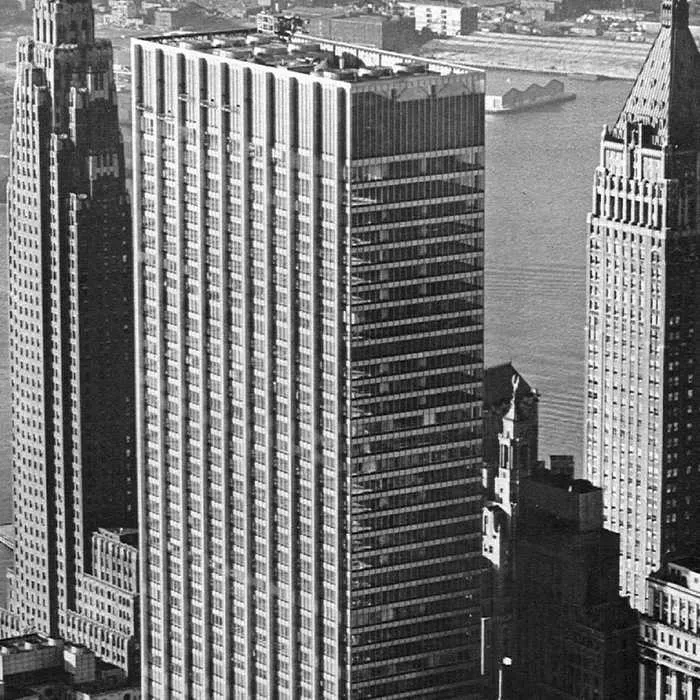 Photo: Chase Manhattan Bank, via pinkerton.com
That economist is probably still waiting.
The Checkbook Crusaders Launch the First Assault
The war against cash began in earnest during the Carter administration, when banking executives discovered they could save millions by convincing Americans to abandon those expensive-to-process dollar bills. "Paper money is going the way of the dinosaur," announced a Citibank vice president in 1978, apparently unaware that dinosaurs had enjoyed a much longer run than most banking predictions.
The strategy was simple: convince everyone that writing checks was sophisticated and modern, while cash was something only criminals and your embarrassing uncle used. Banks launched massive advertising campaigns featuring well-dressed professionals gracefully signing checkbooks while looking down on the unwashed masses fumbling with quarters.
By 1980, banking magazines were running breathless features about the "cashless society" that was definitely arriving by 1990. The Federal Reserve, caught up in the excitement, began planning for a future where their printing presses would gather dust like abandoned textile mills.
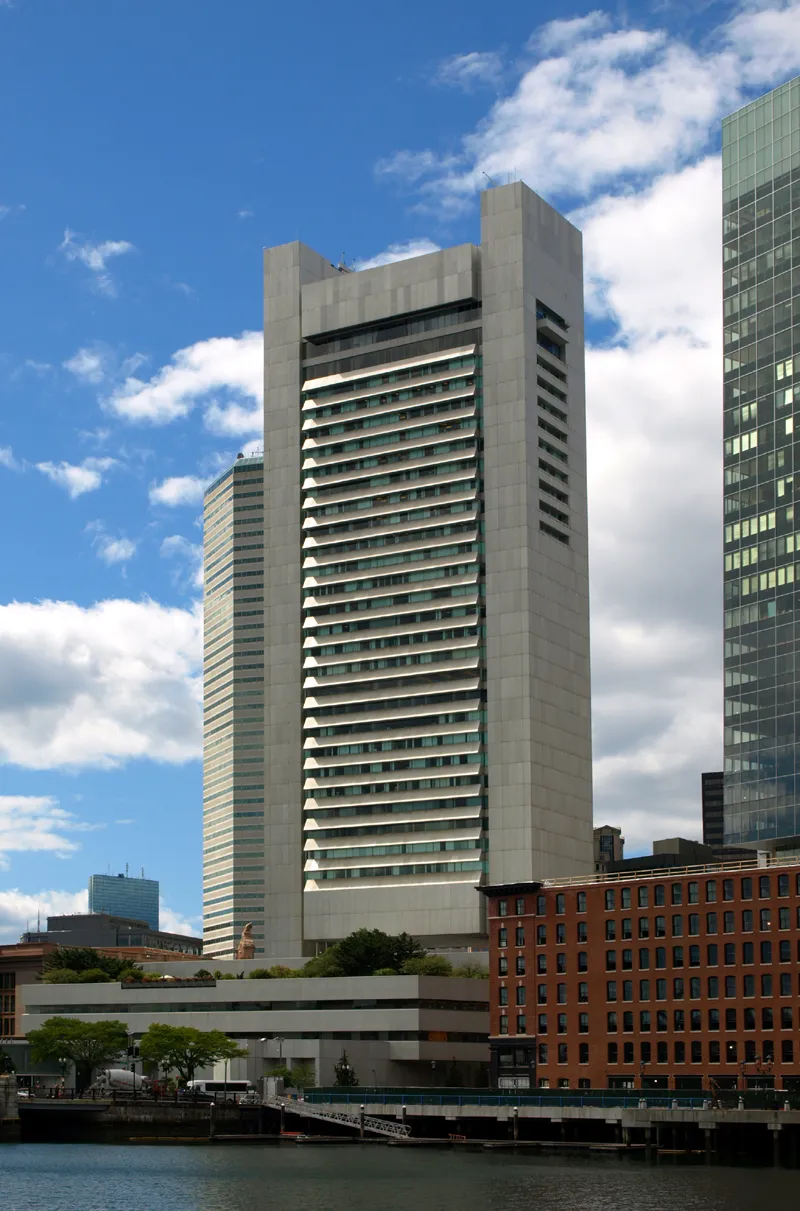 Photo: Federal Reserve, via images.skyscrapercenter.com
Credit Cards: The Plastic Prophets Take Their Shot
Just as checks were supposed to finish off cash forever, credit cards arrived to finish off checks forever. And cash. Definitely cash this time.
Visa executives in the 1980s spoke with the confidence of televangelists promising salvation. "Physical currency will be a curiosity by the year 2000," declared a MasterCard marketing director in 1987, apparently forgetting that Americans had already proven remarkably resistant to banking industry suggestions about convenience.
The credit card companies had compelling arguments: Who wanted to carry cash when you could swipe a piece of plastic? Who needed exact change when you could just sign your name? The future was clearly magnetic strips and embossed numbers, not the primitive barter system of paper money.
Yet somehow, cash register drawers kept requiring those little green rectangles. Gas stations still needed change machines. And Americans kept visiting ATMs with the dedication of pilgrims approaching a shrine.
The ATM Revolution That Wasn't Quite Revolutionary Enough
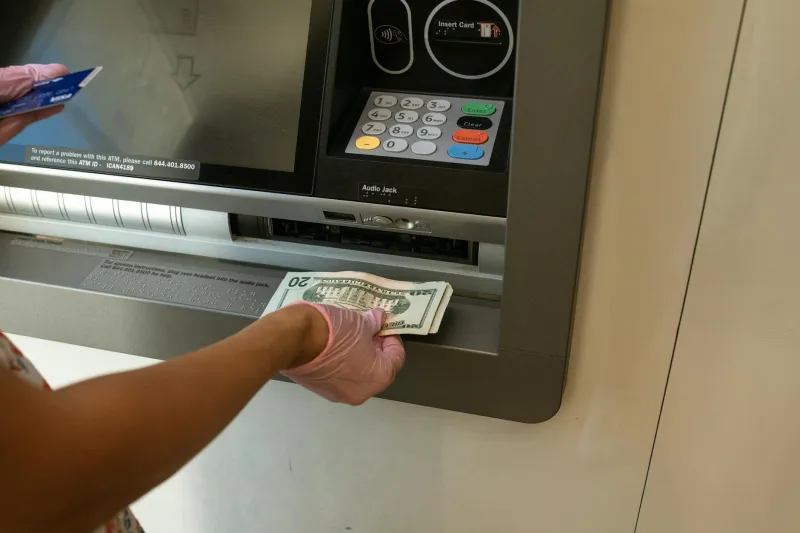
The arrival of automated teller machines was supposed to be cash's final nail. Why would anyone need physical money when they could access their accounts 24/7 from electronic boxes? Banks spent millions installing these miracle machines, confident they were building the infrastructure for a cashless tomorrow.
"We're witnessing the death of the wallet," announced a Bank of America executive in 1985, presumably while carrying a wallet full of cash for lunch money.
 Photo: Bank of America, via upload.wikimedia.org
ATMs did change everything — just not in the way banks expected. Instead of eliminating cash, they made it more accessible. Americans began carrying more cash, not less, because getting money had become convenient. The machines that were supposed to kill cash became its most reliable dealers.
The Dot-Com Dreamers Promise Digital Salvation
The internet boom brought fresh prophets with shinier predictions. Online payment systems would finally, definitively, absolutely eliminate the need for physical money. Why fumble with bills when you could click a button?
"Cash will be extinct by 2010," declared a PayPal executive in 1999, apparently unaware that the company's business model depended on people wanting to avoid giving their credit card information to strangers on eBay.
The dot-com prophets had elaborate visions: digital wallets, online micropayments, and cryptocurrency systems that would make physical money as obsolete as telegraph operators. They built complex platforms for a cashless future while ordering pizza with crumpled twenty-dollar bills.
The Smartphone Saviors Arrive with Apps
Mobile payments were going to be different. This time, the death of cash was really, truly, definitely happening. Why carry a wallet when your phone could handle everything?
Tech executives lined up to declare victory over physical currency. "Cash is dead," announced a Square executive in 2012, apparently forgetting that his company's entire business model involved helping small businesses accept the very thing he was eulogizing.
Apple Pay, Google Wallet, and dozens of competitors promised to finally free Americans from the tyranny of paper money. The future was tap-to-pay, they declared, while conveniently ignoring the millions of establishments that still required exact change.
The Cryptocurrency Maximalists Make Their Play
Bitcoin enthusiasts brought religious fervor to the war against cash. Digital currency wasn't just the future — it was inevitable destiny. "Fiat currency will be worthless by 2020," proclaimed countless cryptocurrency evangelists, apparently unaware that most people still needed to convert their digital gains into actual dollars to buy groceries.
The blockchain prophets had compelling arguments about decentralization and digital scarcity, but they also had a curious tendency to measure their success in traditional dollars rather than the revolutionary currency that was supposed to replace everything.
The Pandemic Plot Twist Nobody Saw Coming
COVID-19 was supposed to deliver cash's final blow. Who wanted to touch dirty money during a global health crisis? Contactless payments would finally achieve what decades of financial innovation couldn't accomplish.
Except Americans responded to uncertainty by hoarding cash like Depression-era grandparents. ATM withdrawals spiked. Currency in circulation reached record highs. The pandemic that was supposed to kill cash turned people into amateur numismatists.
The Stubborn Persistence of Folded Paper
Despite fifty years of confident predictions, Americans still carry cash with the persistence of a species that refuses to evolve. Tips still require bills. Farmers markets still prefer exact change. And somewhere, a teenager is still getting birthday money in an envelope from grandma.
The prophets keep prophesying, the technology keeps advancing, and the cash keeps circulating. Perhaps the real prediction should have been simpler: Americans will abandon cash exactly when Americans decide to abandon cash, regardless of what experts think about the timeline.
Until then, those crumpled twenties in your wallet remain remarkably immune to expert opinion about their imminent extinction.