The Great Moderation (That Wasn't So Great)
Somewhere in the Federal Reserve's marble halls, there's probably a plaque commemorating the day America's central bankers declared victory over inflation. It was a beautiful moment — economists high-fiving, academic papers flowing like champagne, and Ben Bernanke probably adjusting his glasses with the satisfaction of a man who'd just solved poverty.
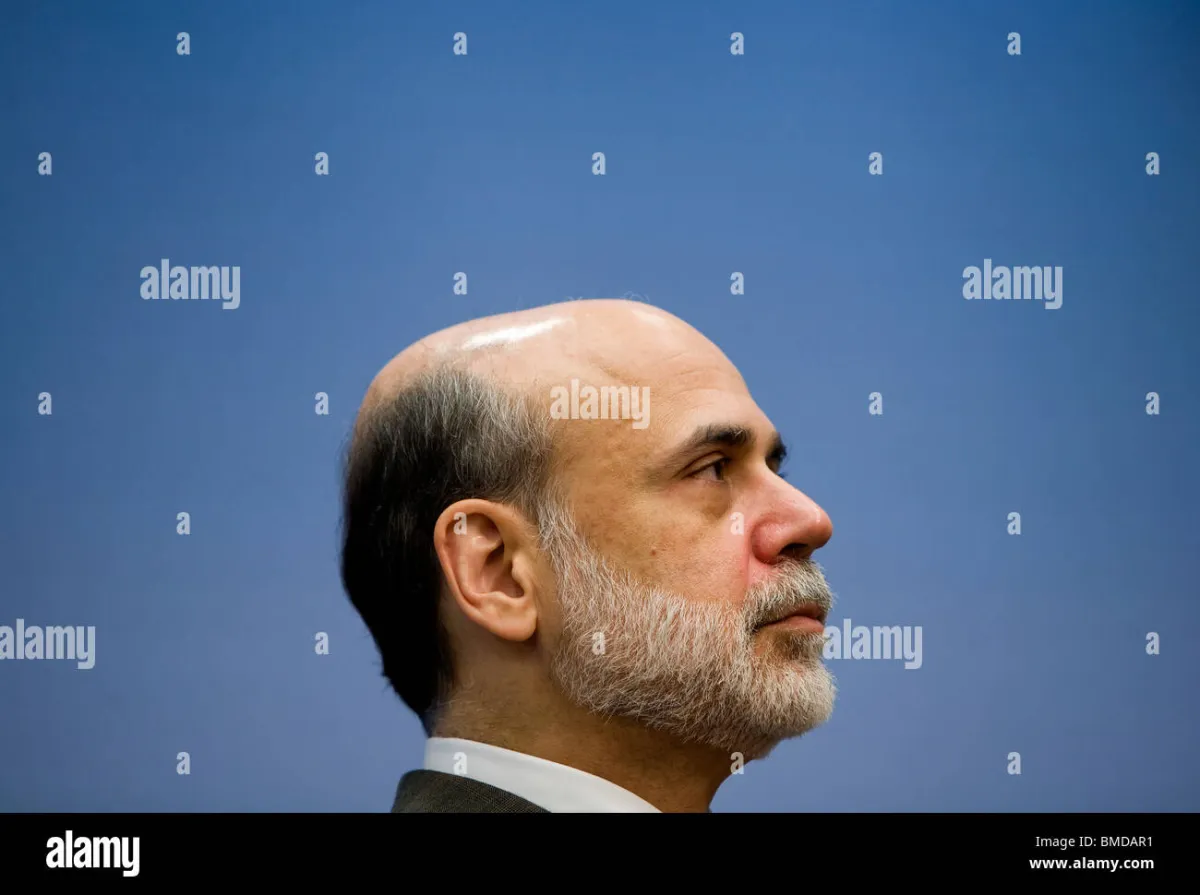 Photo: Ben Bernanke, via c8.alamy.com
The only problem? Inflation was apparently taking a nap, not attending its own funeral.
For the better part of three decades, America's economic priesthood spoke with religious certainty about something they called "The Great Moderation." This wasn't just economist jargon — it was a full-blown victory lap. They'd cracked the code. They'd built the perfect machine. Inflation was as dead as disco, and just as unlikely to make an embarrassing comeback.
Alan Greenspan's Greatest Hits
Alan Greenspan, the Fed chairman who spoke in riddles and somehow convinced everyone this made him a genius, spent the 1990s basking in anti-inflation glory. "We have developed a far more sophisticated understanding of the inflation process," he declared in 1999, right around the time Americans were paying $1.17 for a gallon of gas and thinking that was expensive.
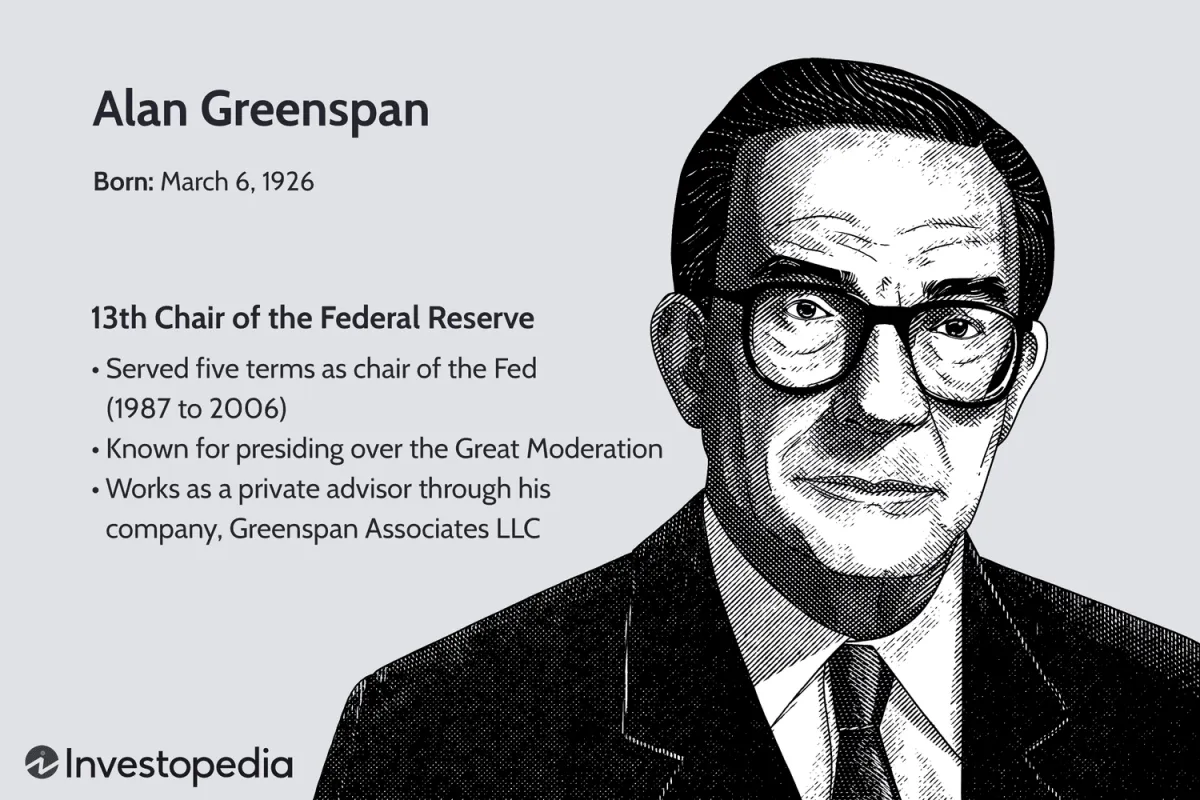 Photo: Alan Greenspan, via www.investopedia.com
Greenspan's confidence wasn't just personal — it was institutional. The Federal Reserve had supposedly mastered the dark arts of monetary policy. They could raise rates here, lower them there, and keep inflation purring along at a perfect 2% like a well-tuned economic engine.
The hubris was intoxicating. Academic papers multiplied like rabbits, each one more confident than the last. Inflation wasn't just under control — it was intellectually defeated. Modern central banking had evolved beyond such primitive concerns.
Bernanke's Beautiful Theory
Ben Bernanke took the baton and ran with it straight into the end zone. As Fed chairman from 2006 to 2014, Bernanke presided over the financial crisis with the calm assurance of a man who knew exactly what levers to pull. His signature move? Quantitative easing — essentially printing money on a scale that would have made Weimar Germany blush.
But here's the beautiful part: Bernanke and his team were absolutely convinced this wouldn't cause inflation. They had models. They had theories. They had decades of evidence that inflation was a solved problem.
"The risk of deflation is probably higher than the risk of significant acceleration in inflation," Bernanke announced in 2010, while pumping trillions of newly created dollars into the economy. It was like watching someone pour gasoline on kindling while explaining why fire was impossible.
The Transitory Tragedy
Fast-forward to 2021, and Jerome Powell inherited this legacy of inflation confidence. When prices started creeping up, Powell and his team deployed their secret weapon: the word "transitory."
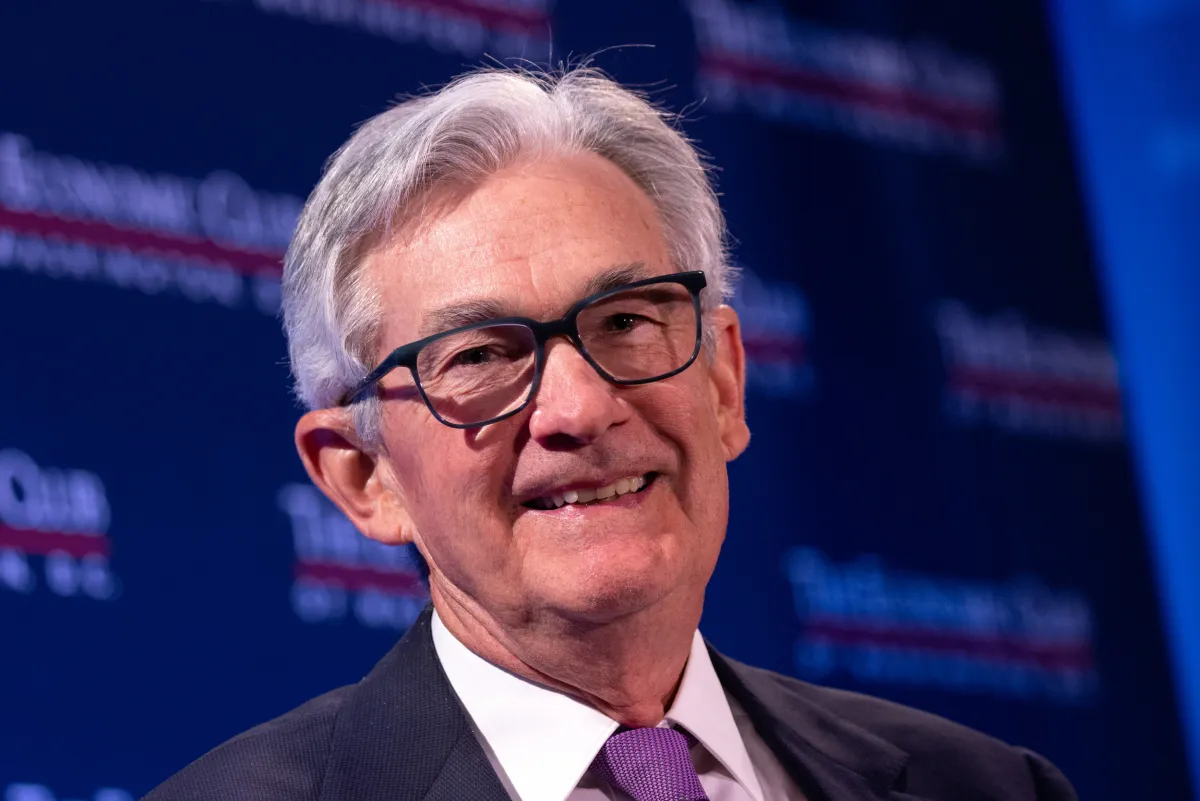 Photo: Jerome Powell, via d.newsweek.com
Inflation wasn't back — it was just visiting. Like a relative who crashes on your couch for what they swear is just a few days, rising prices were temporary, manageable, and definitely not a sign that decades of monetary theory might have been, well, wrong.
The word "transitory" became a mantra, repeated so often it started to sound like wishful thinking set to a Federal Reserve beat. Treasury Secretary Janet Yellen, herself a former Fed chair, joined the chorus. Transitory inflation was the hill they were prepared to die on.
When Reality Crashed the Party
Then 2022 happened, and suddenly Americans were paying $5 for a gallon of gas and wondering if eggs had become a luxury good. The Consumer Price Index hit levels not seen since the Carter administration, when inflation was supposedly a primitive problem solved by modern monetary science.
The "transitory" narrative crumbled faster than a house of cards in a hurricane. Powell was forced to perform the economic equivalent of eating crow on live television, admitting that maybe, just maybe, the inflation monster wasn't as dead as advertised.
The Academic Echo Chamber
The real tragedy wasn't just the Federal Reserve's confidence — it was how completely the entire economic establishment bought into the inflation-is-dead narrative. Academic economists, financial journalists, and policy wonks all sang from the same hymnal.
Papers with titles like "The Death of Inflation" and "Why Price Stability Is Here to Stay" aged about as well as a carton of milk left in the sun. The intellectual consensus was so complete that questioning it marked you as either a crank or someone who didn't understand modern economics.
Even as warning signs flashed — supply chain disruptions, massive fiscal spending, labor shortages — the economic establishment stuck to their guns. They had models that proved inflation couldn't happen. What more did you need?
The Cycle Continues
Here's the beautiful irony: economists have been confidently wrong about inflation for generations. In the 1960s, they discovered the Phillips Curve and thought they could trade a little inflation for lower unemployment — right before stagflation made that theory look ridiculous.
In the 1970s, they were convinced inflation was unstoppable — right before Paul Volcker broke its back with interest rates that would make a loan shark blush.
Now, after decades of declaring victory over rising prices, they're scrambling to explain why their victory parade was premature.
The truth is, economics might be the only field where being spectacularly wrong is not just forgiven but forgotten, ready to be repeated by the next generation of experts who are absolutely certain they've figured it out this time.
The Lesson Nobody Learns
As Americans adapt to a world where everything costs more and economists explain why nobody could have seen it coming, one thing remains constant: somewhere, an academic is probably writing a paper about why inflation is definitely, finally, really dead this time.
The prophets were wrong about inflation being extinct. But they'll be back with new theories, new models, and the same old confidence that this time, they've really got it figured out.
After all, what's the worst that could happen?